



As South Africa marks Food Security Month this October, the focus is on practical interventions that can strengthen local food production, support farming communities and build more resilient food systems.
Thank you for reading this post, don't forget to subscribe!While World Food Day on 16 October carries the global theme “Innovate today. Nourish tomorrow.”, the South African context brings the conversation closer to home: how can investment, partnerships and agricultural development help address the country’s food security challenges?
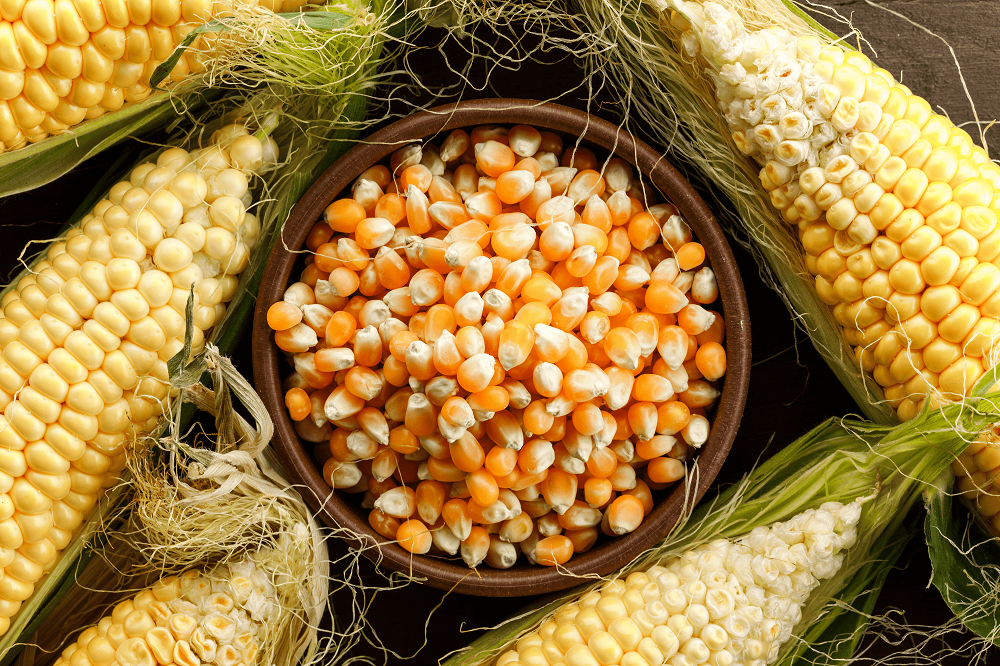
The Mcambalala Maize Project in the Eastern Cape provides one example of what this can look like in practice. The project, which initially supported 70 farmers cultivating white maize across 50 hectares of communal land, is now being expanded to 350 hectares for the next planting season. At full scale, the expanded project is expected to produce approximately 2,450 metric tons of maize, with an estimated harvest value of around R10 million.
For Ryan New, Managing Director of The Original Grain Company, the project demonstrates why food security needs to be approached as an agricultural ecosystem rather than as a single intervention. “Food security starts much earlier than the point where food reaches a shop or a household. It starts with farmers having access to productive land, capital, knowledge, operational support and a reliable route to market,” says New. “When those elements come together, agriculture can create food, livelihoods and economic opportunity at the same time.”
A connected model
The Mcambalala project brings together complementary elements across the agricultural value chain. The Original Grain Fund provides planting-season finance through its Advanced Agricultural Product Purchasing (AAPP) programme, while The Original Grain NPC facilitates community partnerships, practical training and agricultural development. The Original Grain Company provides a guaranteed route to market by purchasing the harvested maize at SAFEX-linked prices.
Together, these elements create a connected model that enables previously underutilised communal land to be brought into production, creating opportunities for participating farmers and the wider community to derive economic value from the land. By connecting planting-season finance, agricultural support and a route to market, the model helps turn agricultural potential into productive activity that can contribute to local livelihoods, food production and economic development.
“The biggest opportunity is not simply to plant more hectares. It is to create the conditions that allow those hectares to remain productive and for the people working them to participate meaningfully in the agricultural economy,” says New.
The expansion of Mcambalala illustrates the potential of this approach, increasing agricultural production while also deepening community participation and economic opportunities.
“What makes a project like Mcambalala particularly meaningful is that the community is not simply a beneficiary of the project. Farmers are active participants in the agricultural process, developing skills, gaining practical experience and contributing to a productive farming operation. By putting communal land to productive use, the project also creates an opportunity for the community to participate in the economic value generated through agriculture, helping to build more sustainable livelihoods over time,” says Megan Wadge, Program and Operations Director of The Original Grain NPC.
Investment can unlock agricultural potential
For many emerging and communal farmers, the challenge is not necessarily a lack of land or willingness to farm. Access to capital, skills, infrastructure, operational support and markets can determine whether agricultural potential is converted into actual production.
This is where broader investment in agriculture becomes particularly important. “Investment in agriculture should be viewed as an investment in the wider food system,” explains New. “When you invest in farmers and productive agricultural communities, you are also investing in food production, local economies, skills development and the resilience of future food supply.”
When previously underutilised land is brought into production, the benefits can extend beyond the harvest itself. With the right support and market access, agricultural activity can create opportunities for communities to participate in the local economy, develop practical skills and build livelihoods linked to productive land use.
The role of investment does not sit exclusively with traditional agricultural funders. Corporates, mining companies, donors and philanthropists can also contribute to agricultural development through initiatives that support skills, productive land use, infrastructure, community development and food production.
The Original Grain NPC provides a platform through which companies and other stakeholders can support community-based agricultural development. Section 18A certificates will be available for all eligible contributions.
“There is an opportunity for organisations to complement traditional social investment by supporting practical agricultural initiatives that create tangible outcomes within communities,” says Wadge. “By supporting agricultural development, businesses can contribute to food production while also helping communities build skills, livelihoods and longer-term economic resilience.”
From seed to supply
The Mcambalala Maize Project demonstrates the principle behind a broader connected agricultural ecosystem: financing farmers, supporting production, strengthening communities and creating a route to market are not separate activities. They are interconnected parts of the same food system.
“Food security requires us to think beyond the individual farm or the individual harvest,” says New. “We need to look at how finance, farming, communities, markets and supply chains connect. When those pieces work together, we create a stronger foundation for producing food today and strengthening food security for tomorrow.”
As South Africa observes Food Security Month, the focus on local, practical solutions provides an opportunity to consider how agricultural investment can move beyond short-term interventions towards sustainable production.
The expansion of the Mcambalala Maize Project offers a tangible example of that potential: communal land being brought into greater production, farmers participating in structured agriculture, communities developing skills and approximately 2,450 metric tons of additional maize expected to enter the food system.
Beyond increasing maize production, the project illustrates how investment and collaboration can help communities unlock the productive potential of their land. By connecting land, finance, agricultural support and market access, initiatives such as Mcambalala can create opportunities for local communities to participate in agriculture as an economic activity while contributing to South Africa’s food security.
For New, this is ultimately what meaningful agricultural investment should achieve. “South Africa has significant agricultural potential. The question is how we connect the resources, people and partnerships needed to unlock it. Investing in agriculture today is one of the practical ways we can strengthen food security for tomorrow.”
