



April marks Sexual Assault Awareness Month (SAAM), and in 2026, the theme “25 Years Strong: Looking Back, Moving Forward” highlights both the progress made and the urgent work that still lies ahead in addressing sexual violence.
Thank you for reading this post, don't forget to subscribe!While awareness has grown over the years, education and early intervention are now critical in preventing abuse and empowering individuals to protect themselves and others.
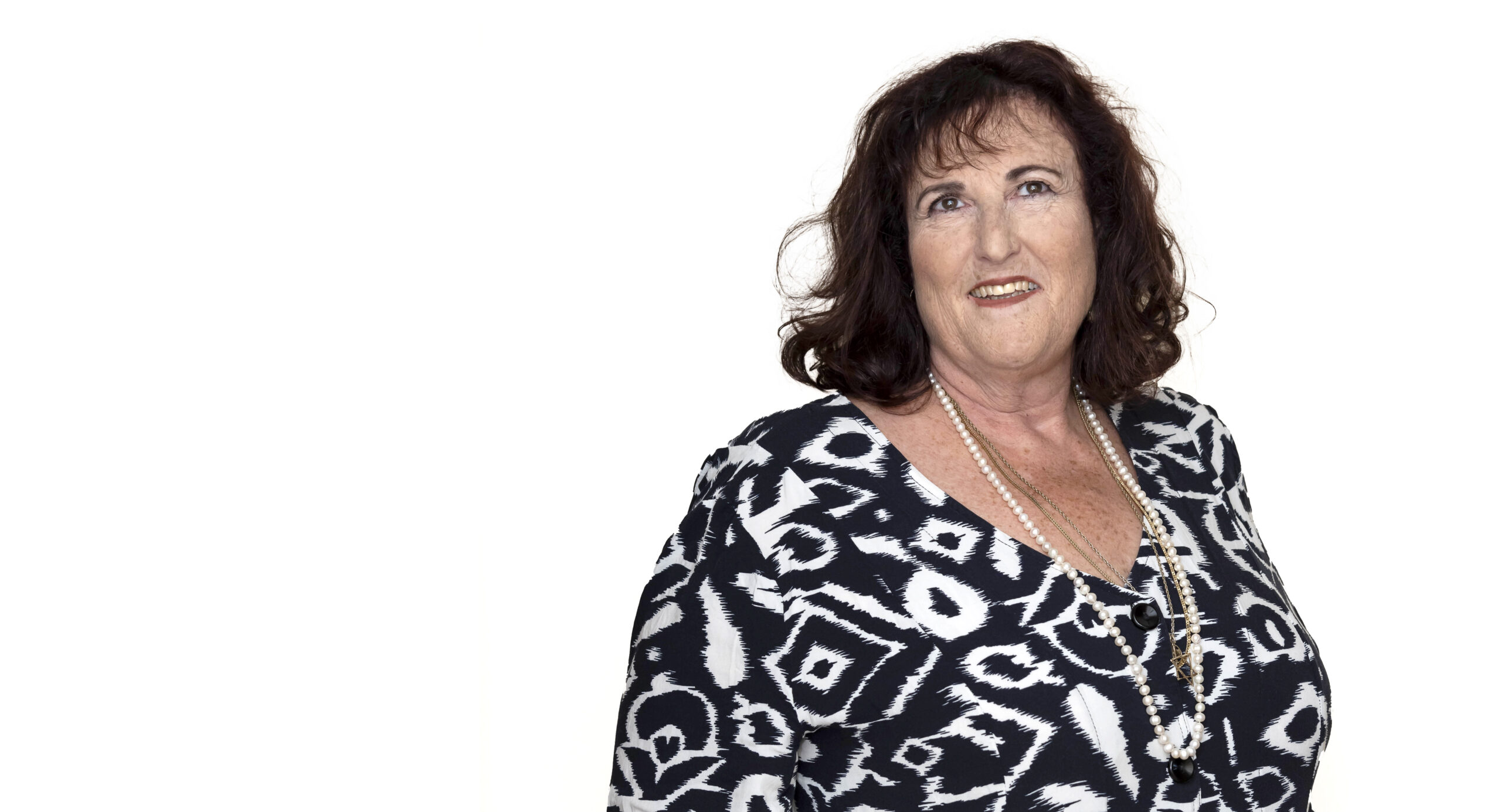
“Over the past 25 years, we have made important strides in recognising and addressing sexual violence. However, awareness alone is not enough,” says Susan Abro, family law attorney and founder of Susan Abro Attorney. “We need to actively educate young people, both boys and girls, about consent, respect, and the realities of sexual assault so that we can prevent it before it happens.”
Sexual assault is not limited to rape. It includes a wide range of unwanted sexual behaviours such as inappropriate touching, coercion, harassment, and exploitation. It can occur within relationships, families, and marriages, as well as between strangers.
“Consent is non-negotiable in every circumstance. No means no, regardless of the relationship between the individuals involved,” Abro emphasises.
The need for education is particularly pressing among high school learners, where misinformation and peer pressure often shape understanding of relationships and boundaries.
“Many young people are simply not being taught what constitutes sexual assault,” says Abro. “Boys need to be educated about respect, accountability, and consent, while girls must be empowered to assert their boundaries and understand their rights. This is also important in protecting them from unintended consequences such as unwanted pregnancies and sexually transmitted infections, including HIV.”
South Africa continues to face alarmingly high levels of gender-based violence. Sexual assault is often closely linked to domestic violence, which can occur within intimate relationships, marriages, or family structures.
“This crisis has been recognised at the highest level,” says Abro. “President Cyril Ramaphosa has declared gender-based violence and domestic violence a national disaster. This means that urgent attention, resources, and accountability are required to address these crimes, support survivors, and ensure that perpetrators are held responsible.”
Sexual assault is completely unacceptable under any circumstance. “It must be treated with the seriousness it deserves. Addressing it requires a collective effort from families, schools, communities, and the justice system,” adds Abro.
Support services play a vital role in assisting survivors. Organisations such as the Open Door Crisis Care Centre in Durban and the Thuthuzela Care Centres across South Africa provide essential support, including counselling, medical care, and guidance through the legal process.
“These centres offer a safe and supportive environment for survivors, helping them move from trauma and suffering towards healing and empowerment,” says Abro. “It is crucial that people know these services exist and feel encouraged to access them.”
For survivors of sexual assault, acting quickly is essential to preserve evidence and access support.
What to do following a sexual assault:
- Go to a safe place as soon as possible
- Seek medical attention immediately
- Report the incident to the police
- Reach out to a support organisation for assistance and counselling
What not to do:
- Do not wash, bathe, or shower
- Do not change or dispose of clothing
- Avoid eating, drinking, or brushing your teeth if possible
“These steps may feel overwhelming in the moment, but they are important in ensuring that forensic evidence can be collected and that perpetrators can be held accountable,” Abro explains.
She adds that supporting survivors must remain a priority, but prevention through education is equally important.
“We need to shift from a culture of silence to one of empowerment and action,” she concludes. “By educating our youth, supporting survivors, and holding perpetrators accountable, we can begin to create a safer future for all.”
For support, contact the Open Door Crisis Care Centre at (031) 709 2679 or visit www.opendoor.org.za
To locate your nearest Thuthuzela Centre please visit https://www.npa.gov.za/thuthuzela-care-centres