



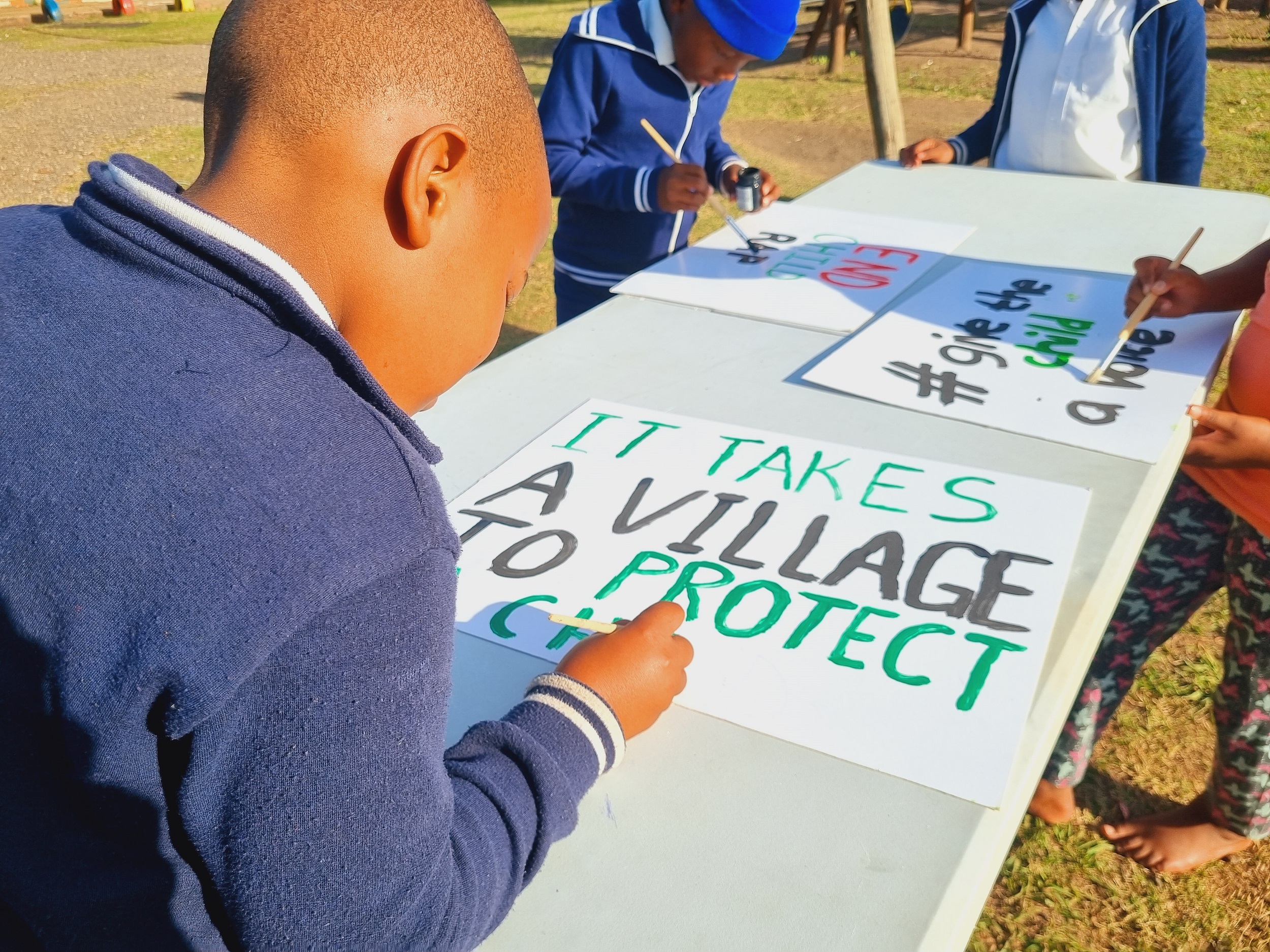
As South Africa marks Child Protection Week from 29 May to 5 June 2026, child protection advocates are calling for urgent intervention within the justice system, warning that prolonged court delays in cases involving children are compounding trauma and undermining the very protection children desperately need.
The call comes amid growing global and local concern around child abuse and exploitation, with the recent release of the Epstein files highlighting how systems intended to protect children often fail them. In South Africa, the reality remains deeply alarming. According to UNICEF, more than 40% of children experience some form of abuse, neglect or maltreatment during childhood, including physical, emotional and sexual abuse.
However, according to Durban-based NGO The ReStory Foundation, the abuse itself is often only part of the child’s trauma.
Reports from the Department of Justice and Constitutional Development and advocacy organisations such as Childline South Africa, reveal that cases involving sexual offences and violence against children can take between two and five years, or even longer, to reach finalisation, with repeated postponements remaining common within the court system.
“Justice delays become a second form of trauma for children,” says Natalie Naude, Empowerment Manager at the ReStory Foundation. “Children are repeatedly required to return to court, forced to relive painful experiences and remain trapped in uncertainty while cases drag on for years. For many young survivors, healing cannot truly begin while they are still waiting for justice.”
The organisation currently supports over 500 vulnerable children living in Bhambayi, Inanda, a community heavily impacted by violence, crime, poverty, addiction and poor infrastructure. Through counselling, home visits, support groups and court preparation, the Foundation’s social workers regularly assist children affected by neglect, abuse, rape and violent crime, witnessing first-hand the devastating emotional impact of prolonged legal proceedings.
According to Simangele Mlawu, Social Worker at the ReStory Foundation, many children experience ongoing anxiety, fear and emotional exhaustion while waiting for cases to conclude, particularly when repeated postponements force them to relive traumatic experiences over extended periods of time.
“For many children, the court process becomes an extension of the trauma itself,” says Mlawu. “Every postponement can reopen emotional wounds and prolong feelings of fear and instability.”
One young girl in the Foundation’s programme has spent the past five years reliving the trauma of discovering her mother murdered inside their home. Since then, she has repeatedly been called back to court as the case faced ongoing postponements. Only this week was sentencing finally handed down, with the perpetrator receiving a life sentence and an accomplice sentenced to 20 years’ imprisonment.
“While we are relieved that justice was ultimately served, we grieve the trauma this girl has been forced to revisit for such a prolonged period,” says Mlawu.
The Foundation says the delays are particularly devastating in cases involving sexual violence against children, many of which remain unresolved years after offences are first reported. In instances where the accused is a family member, children are often removed from their homes and separated from their support systems while awaiting the outcome of legal proceedings, adding further instability and emotional distress to an already traumatic experience.
This year’s Child Protection Week theme, “Working Together to End Violence Against Children”, should not only focus on preventing abuse, but also on how society and the justice system respond once harm has occurred, says the Foundation.
“Protecting children cannot end at awareness campaigns or reporting abuse,” Naude explains. “It must include creating a justice system that responds with urgency, compassion and accountability. When children are left waiting years for their cases to be finalised, we are failing to protect them from further harm.”
The Foundation is calling on communities across South Africa to take visible action in solidarity with child survivors by attending court hearings involving crimes against children, supporting families navigating the justice system and demanding greater urgency in cases where children are involved. The organisation believes public presence inside and outside courtrooms can send a powerful message that children’s cases matter and that justice cannot continue to be delayed without accountability.
The Foundation is also encouraging communities, civil society organisations and child protection advocates to peacefully raise awareness around the impact of prolonged court delays by amplifying the message: “Justice delayed is child protection denied.”
“Courtrooms cannot remain silent spaces where children are left waiting years for justice while trauma deepens,” says Naude. “Communities have a role to play in reminding the system that children matter, their pain matters, and time matters.”
As South Africa observes Child Protection Week, the Foundation believes the conversation must move beyond awareness alone and towards meaningful systemic action that places the needs, dignity and wellbeing of children at the centre of the justice process.
“Children cannot keep waiting years for justice while perpetrators continue with their lives,” says Naude. “If we cannot undo the harm that has already been done, then we have a responsibility to ensure that the systems designed to protect them do not deepen that harm through delay.”
The Foundation further warns that prolonged delays within the justice system risk weakening public confidence in accountability and consequences for offenders, particularly in cases involving violence against children. The organisation believes urgent action is needed to ensure children experience the justice system as a place of protection rather than prolonged harm.
“Children deserve safety, protection and justice delivered without delay,” concludes Naude. “They deserve a system that responds with urgency and prioritises their wellbeing, because childhood cannot be paused while waiting for the courts.”