



Almost 3000 scans performed in five months as Bophelo First Trust and Dis-Chem Better Tomorrow Starts Here strengthen diagnostic capacity across six public hospitals
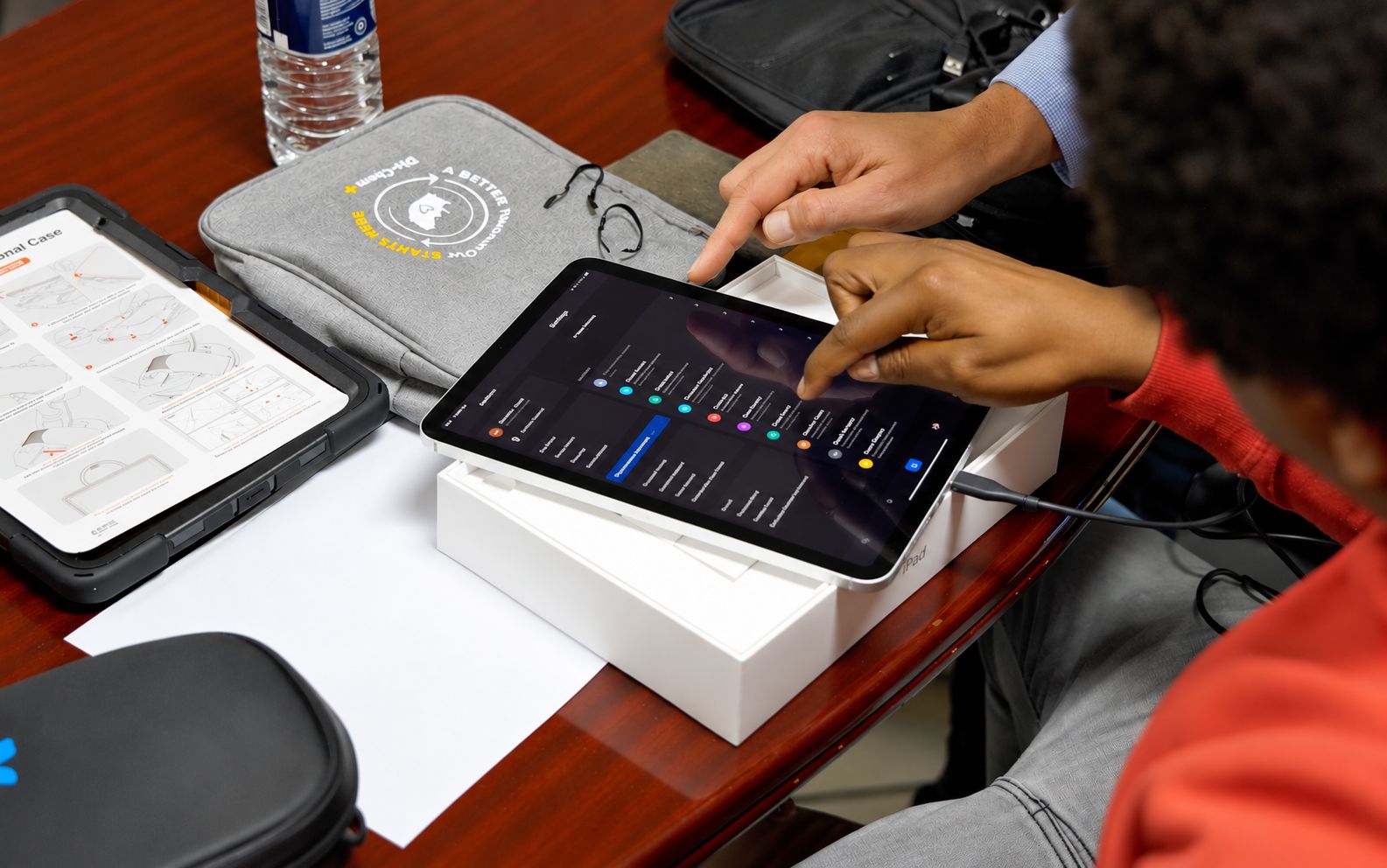
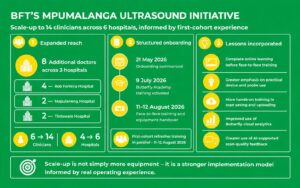
Patients at five Mpumalanga hospitals are benefiting from faster diagnosis following the launch of a point-of-care ultrasound programme by Bophelo First Trust (BFT), a South African Public Benefit Organisation (PBO), in partnership with Dis-Chem. The initiative has so far trained 14 clinicians and deployed 10 portable ultrasound machines, enabling surgical, emergency and trauma teams to scan patients at the bedside and reduce the need for referrals to other facilities.
BFT’s model strengthens existing public health systems through structure, continuity and measurable impact. It enables targeted operational support programmes that help unlock underutilised healthcare infrastructure and increase patient access to care. Through collaborative partnerships, it develops and implements scalable healthcare support initiatives focused on reducing surgical backlogs, increasing procedural throughput, expanding access to diagnostic capability, strengthening operational healthcare capacity and supporting long-term public-sector sustainability.
Uptake has been strong since the programme launched in May, says BFT CEO Dr Mark Wadley. “Targeted operational interventions have the potential to unlock additional healthcare capacity within existing public-sector infrastructure. With point-of-care ultrasound, a trained clinician can perform a focused scan beside the patient and interpret the findings in real time. This means patients can be assessed sooner and, where appropriate, avoid the need to travel elsewhere for imaging.”
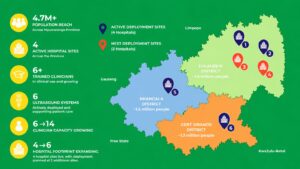
The programme addresses a significant diagnostic gap in a province serving close to five million people. Since May, clinicians had performed 2,865 scans covering abdominal, vascular, trauma and musculoskeletal applications.
“Better Tomorrow Starts Here addresses pressing societal health challenges across South Africa and looks to find practical ways to improve access to quality care,” says Joshila Shiba, Dis-Chem’s Head of Health Equity and Sustainability. “This programme shows how targeted, practical interventions can unlock additional healthcare capacity within existing public-sector infrastructure and aligns with Dis-Chem’s purpose of increasing access to quality healthcare access. We want to help build, support and strengthen healthcare ecosystems across South Africa.”
“Our Better Tomorrow Starts Here initiative reflects our commitment to societal health challenges by aligning our business goals with sustainable development in South Africa and connecting our overarching “Better Health Starts Here” purpose with a broader commitment to contributing positively to the country’s future.”
Dr David Marubini, one of the 14 clinicians trained through the programme, says access to ultrasound is particularly valuable in surgical care, where delays in diagnosis can affect treatment decisions.
“Before we had ultrasound in our department, a patient arriving with severe abdominal pain or injuries from a road accident often had to wait before we could see what was happening internally. Sometimes they had to be transferred to another hospital first,” says Dr Marubini.
“Now I can scan at the bedside within minutes and answer urgent questions straight away. Is there internal bleeding? Does this patient need to go to theatre now, or can we safely manage them here? It doesn’t replace a full radiology service, but it allows us to make decisions sooner and with greater confidence.”
Dr Wadley says the initiative could provide a scalable model for strengthening diagnostic capacity in public hospitals across South Africa.
“Clinician participation is expanding and more hospitals are showing interest. The next phase will focus on improving how the clinicians’ ultrasound images and video clips are stored and uploaded to the cloud. This will support AI-assisted quality assurance and training, helping to maintain scanning standards as more clinicians are trained. In turn this will further strengthen diagnostic capacity in the province” concludes Dr Wadley.
Thank you for reading this post, don't forget to subscribe!