


The holidays have a way of disrupting even our best routines. We travel, eat differently, stay out later and sometimes leave our usual healthcare habits at home. But medicines don’t take a holiday, and seemingly small changes to how we use, combine, or store them can affect your health.
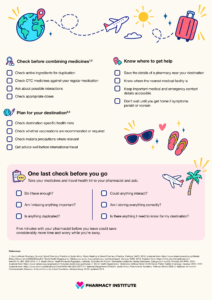
Thank you for reading this post, don't forget to subscribe!“Many medicine mistakes are avoidable if patients know what to check and when to ask for advice,” says Michael Gullan, CEO of Pharmacy Institute, an online academy providing clinical education to more than 13,200 pharmacy professionals across South Africa. “Pharmacists can help you make appropriate treatment decisions, particularly when you’re away from home and your normal routine.” Here are eight holiday mistakes every pharmacist wants you to avoid.
- Don’t run out of chronic medication
Travel plans and routine changes can make repeat prescriptions easy to overlook. Before you leave, check that you have enough of your regular medicines for the entire trip. If you’re going to run short, speak to your pharmacist before you travel. Depending on your medicine and prescription, they can advise whether you need an additional supply or should contact your prescriber.
- Don’t assume every OTC medicine is safe for you
Prescription medicines aren’t the whole picture. OTC medicines and other health products may also matter when making treatment decisions. Taking multiple medicines can increase the risk of interactions and other medicine-related problems, so give the pharmacist the complete picture.
- Don’t leave out medicines when talking to a pharmacist
The car boot, glove compartment, or a bag sitting in the summer sun may not meet your medicine’s storage requirements. Medicines have specified storage conditions, so check the label or patient information leaflet. If you’re unsure, ask a pharmacist.
- Don’t combine medicines without checking
You may not need a prescription for some medicines, but that doesn’t mean every non-prescription medicine suits everyone. Pharmacists consider safety, contraindications, interactions, dosage and other precautions when advising on self-care medicines. - Don’t guess. Ask your pharmacist.
The holidays should be about taking a break, not taking chances with your health. Before you travel, check your medicines and pack what you need. Once you’re away, remember that the nearest pharmacist can be an accessible source of professional healthcare advice.
- Don’t wait until you get home to seek help
There is nothing silly about checking. The World Health Organization’s medication-safety campaign encourages patients and healthcare professionals to “know, check, ask” as part of safer medicine use.4 A quick question about a dose, combination, side effect or symptom could provide information you hadn’t considered.
- Don’t leave medicines in the heat
Same symptom, different patient. A medicine that is appropriate for a friend or family member may not be appropriate for you. Treatment decisions can depend on your other medicines, health conditions, contraindications and individual circumstances.
- Don’t share medicines
“I’ll sort it out when I get home” isn’t always a good holiday health plan. Pharmacists are trained to recognise when a condition may be suitable for self-care and when symptoms require referral for further assessment.1
The holidays should be about taking a break, not taking chances with your health. Before you travel, check your medicines and pack what you need. Once you’re away, remember that the nearest pharmacist can be an accessible source of professional healthcare advice.
“Pharmacists are among South Africa’s most accessible healthcare professionals, and there is a great deal of knowledge behind the advice they provide,” says Gullan. “Their commitment to keeping their professional knowledge current means that, even when you’re away from home, your nearest pharmacy can be an important source of healthcare advice, from helping you use medicines safely to recognising when you may need further care.”
