



As Joburg moves deeper into 2026, its food and beverage job scene is evolving into one of Africa’s most dynamic culinary ecosystems – defined not by excess, but by intention, creativity, and cultural identity. For anyone considering a career shift into this space, the timing is notable: the industry is not only transforming, but actively seeking new voices, skills, and perspectives. By Vanessa Rogers.
A shift toward meaningful dining
Across South Africa, diners are becoming more deliberate in how and where they spend their money. Economic pressure has made eating out a more considered decision, pushing restaurants to prioritise quality, value, and authenticity over novelty.
This shift is particularly visible in Joburg, where the old model of flashy, trend-driven dining is giving way to experiences that feel grounded and repeatable. Consumers are gravitating toward food that tells a story, whether that’s rooted in heritage, locality, or craftsmanship.

The rise of experiential venues
One of the most exciting developments in Joburg is the growth of experiential dining. Supper clubs, pop-ups, and hidden venues are flourishing, offering curated, often intimate experiences that blend food with music, art, or storytelling.
These spaces appeal to a younger, culturally curious audience seeking something beyond a standard restaurant meal. They also offer chefs and entrepreneurs a lower-risk entry point into the industry – allowing experimentation without the overheads of a permanent venue.
At the same time, traditional restaurants are adapting by becoming more interactive and immersive. Globally and locally, diners want to feel part of the experience, whether through open kitchens, tasting menus, or chef-led storytelling.
Culinary styles: local, nostalgic, and globally influenced
In terms of cuisine, 2026 is being defined by a blend of nostalgia and innovation. South Africans are rediscovering comfort food: classic dishes executed with care and high-quality ingredients, while also embracing global influences.
Fusion cuisine continues to grow, particularly combinations of African flavours with Asian or European techniques. This reflects both Johannesburg’s diversity, and a broader global trend toward cross-cultural cooking.
Plant-forward menus are also becoming mainstream. Not necessarily as strict vegan offerings, but instead as thoughtful, ingredient-driven dishes. Around 60 percent of restaurants now include plant-based options, showing a clear shift in consumer demand.
Another emerging trend is the “grazing economy” – smaller plates, shared dishes, and flexible dining formats that allow customers to experience more variety, while still spending carefully. This aligns with both economic realities and social dining habits.

Drinks culture: refined and intentional
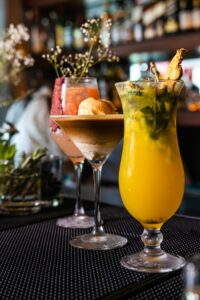
The beverage scene is evolving right alongside that of food. There’s growing interest in low- and no-alcohol drinks, as well as more sophisticated cocktails designed to complement food rather than overpower it.
Coffee culture remains strong, but with an increased focus on origin, sustainability, and craft. Similarly, wine and local spirits are being positioned as part of a broader storytelling experience, as they increasingly connect consumers to place and producer.

Why it’s so compelling…
Despite challenges that include rising costs, labour shortages, and operational pressures, the hospitality space remains one of South Africa’s largest employers – supporting as many as 1.2 million jobs.
More importantly, it’s an industry in transition. Restaurants are rethinking their models, and there’s a growing need for people who bring not just technical skills, but creativity, adaptability, and a genuine passion for food.
For those considering a career change, this presents a rare opportunity. Unlike more rigid industries, hospitality rewards individuality. Whether you’re drawn to cooking, beverage innovation, event curation, or food storytelling, you can get about carving out a unique path for yourself.
Joburg, in particular, offers a fertile ground for experimentation. Its mix of cultures, appetite for new ideas, and evolving dining landscape mean that newcomers can contribute meaningfully – and quickly.
A career rooted in purpose
Perhaps the most compelling reason to enter a food and beverage job in 2026 is that it aligns closely with purpose. At its best, hospitality is about connection: bringing people together, creating memorable experiences, and expressing culture through food.
As the industry shifts toward authenticity, sustainability, and community, it offers more than just a workplace. It also offers a craft. For those who feel disconnected from their current career, stepping into this vibrant niche can present a way to reconnect with creativity, people, and something deeply human.
