



In South African workplaces, two stories unfold at once. One is about talent, ambition, and the possibilities young professionals carry. The other is about systems that change slowly, shaped by history and often not designed with women in mind. Mentorship exists in the space between these realities. It is not a gesture of kindness, it is architecture. It structures opportunity so that success does not depend on luck, proximity, or privilege. Mentorship enables women to navigate barriers, gain perspective, and access spaces where impact is meaningful and visible.
Thank you for reading this post, don't forget to subscribe!Q1. Why is mentorship a crucial lifeline for women navigating their careers today?
A. Mentorship fills the gaps that formal systems often leave open. It provides guidance, access, and validation — the reassurance that goals are legitimate and that vision matters. Mentorship builds resilience, teaching women to navigate setbacks while keeping long-term growth in focus. Effective mentorship equips women with skills, judgment, and perspective, empowering them to act decisively. Structured mentorship ensures women can see the path ahead, take calculated risks, and step into leadership with clarity and purpose.
Q2. How did the guidance of other women shape the leader you became?
A. Mentors formed an ecosystem. Some offered strategic clarity, others emotional grounding, and some encouraged risk-taking. That guidance taught me that leadership is not personal advancement alone, it is about building structures and networks that allow others to rise. Today, I replicate that ecosystem, showing women not just the path forward but that someone walks alongside them. Mentorship multiplies impact. When one woman is supported, the effect ripples across teams, functions, and communities.
Q3. What is the critical difference between a mentor who advises and a sponsor who acts?
A. Mentors prepare and equip, sponsors amplify and advocate. Mentorship develops skills, confidence, and judgment. Sponsorship provides visibility, influence, and tangible access to opportunities. Pairing these ensures women are both ready and positioned to succeed. Mentorship without sponsorship leaves talent prepared but unseen. Sponsorship without mentorship exposes talent without readiness. Together, they create structured pathways where potential becomes achievement.
Q4. How does coaching help women unlock their unique leadership voice and power?
A. Coaching turns reflection into action. It highlights strengths, addresses gaps, and builds practical confidence. Coaching equips women to assert authority authentically, navigate complexity, and lead decisively without losing themselves. Development becomes a multiplier. One woman’s growth lays the foundation for mentoring others, reinforcing leadership pipelines across teams.
Q5. What tangible steps can companies take to advance women, not just hire them?
A. Move from statements to systems. Embed mentorship and sponsorship into talent processes, clarify progression criteria, hold leaders accountable, and provide meaningful exposure to decision-making. These steps shift culture from performative to empowering, ensuring women stay, grow, and lead. Real advancement is operational, not aspirational.
Q6. What is our collective responsibility as women in leadership?
A. Show up, mentor, sponsor, advocate, and challenge inequity. Leadership is not personal achievement alone, it is the obligation to expand pipelines, strengthen networks, and ensure potential is realised. Mistakes become learning opportunities, enabling the next generation to step confidently into leadership.
Q7. How can every woman at any career stage participate?
A. Mentorship is relational, not hierarchical. Lessons, perspective, and connections can come from anyone. Even small, consistent acts — offering guidance, making introductions, sharing insights — create momentum. Over time, these contributions accumulate, turning talent into opportunity and embedding support as a shared, everyday responsibility.
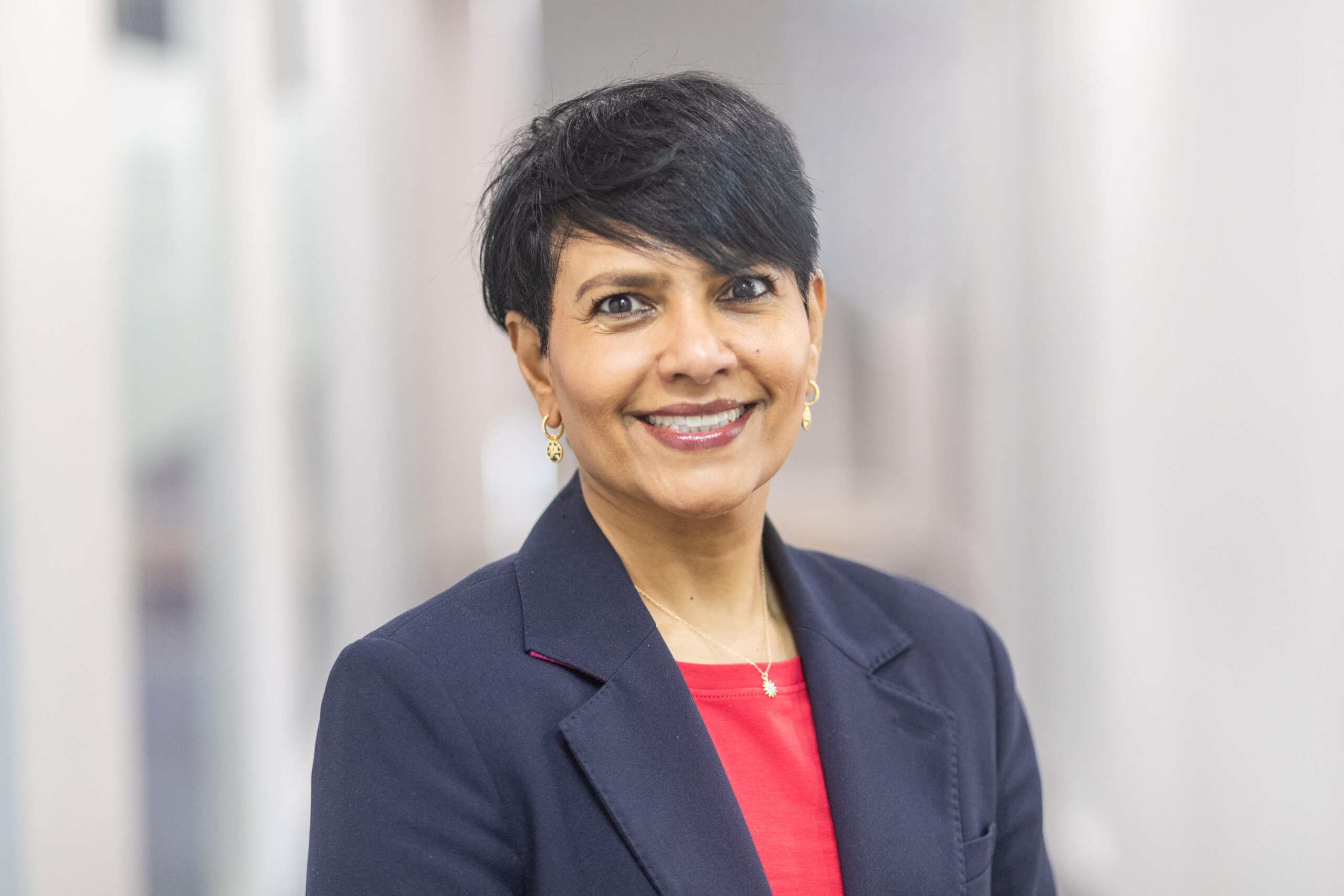
Suraya Hamdulay serves as the Director of Corporate Affairs at Mars Sub-Saharan Africa and brings decades of experience in corporate and public sector leadership to her role. Additionally, she is a qualified executive coach.